
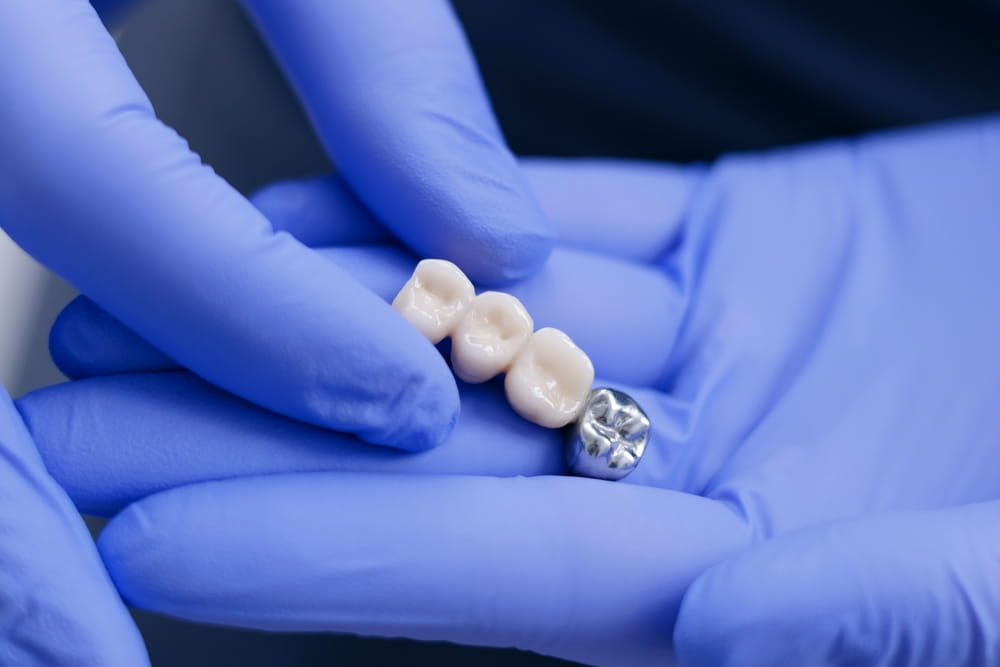
Losing a tooth can affect much more than the appearance of a smile. Missing teeth can change the way a person chews, speaks, and maintains proper oral health. Even a single missing tooth can create a chain reaction within the mouth, allowing neighboring teeth to shift out of position and potentially leading to bite problems over time. For this reason, replacing missing teeth is often an important part of maintaining long-term dental health.
At Wyngate Dental of Bethesda, patients frequently explore various tooth replacement options after tooth loss. One of the most well-established and effective solutions is a dental bridge. Dental bridges have been used successfully for decades to restore function and appearance while helping prevent some of the complications associated with missing teeth.
Choosing the right restoration depends on several factors, including the number of missing teeth, the condition of surrounding teeth, overall oral health, treatment goals, and budget considerations. Understanding when a dental bridge may be the right choice can help patients make informed decisions about their care.
What Is a Dental Bridge?
A dental bridge is a fixed restoration designed to replace one or more missing teeth by “bridging” the gap between healthy teeth. The replacement tooth, known as a pontic, is supported by adjacent teeth or dental implants. Once placed, the bridge becomes a permanent part of the smile and is not removed for daily cleaning.
Traditional bridges often use neighboring teeth as anchors. These supporting teeth are typically restored with crowns to provide strength and stability for the bridge. Patients considering Crowns & Bridges may find that this approach offers an effective way to restore both function and appearance after tooth loss.
Modern dental bridges are designed to blend naturally with surrounding teeth. Materials such as porcelain and ceramic can closely mimic the appearance of natural enamel, helping create a seamless smile.
Situations Where a Dental Bridge May Be the Right Choice
Not every patient is an ideal candidate for the same type of tooth replacement. A dental bridge may be particularly beneficial in several common situations.
A bridge is often a good option when a patient is missing one or several teeth in a row and has healthy teeth on either side of the gap. These neighboring teeth can serve as stable supports for the restoration, allowing the bridge to function effectively.
Dental bridges may also be appropriate when patients are seeking a fixed solution that does not require surgery. While Dental Implants are an excellent option for many individuals, some patients may prefer a non-surgical treatment approach due to health considerations, personal preferences, or treatment timelines.
Other situations where a bridge may be recommended include:
- One or more adjacent missing teeth
- Healthy supporting teeth next to the gap
- A desire for a fixed, non-removable restoration
- Difficulty chewing due to tooth loss
- Concerns about teeth shifting into empty spaces
- Situations where implant treatment may not be immediately feasible
Each patient’s situation is unique, and a comprehensive evaluation helps determine whether a bridge is the most appropriate solution.
Benefits of Choosing a Dental Bridge
One of the primary advantages of a dental bridge is its ability to restore chewing function. Missing teeth can make it difficult to eat certain foods comfortably, particularly those that require significant biting or grinding force. Replacing missing teeth helps distribute chewing forces more evenly throughout the mouth.
Dental bridges also help maintain proper alignment. When a tooth is lost, adjacent teeth often begin drifting toward the empty space. This movement can alter the bite and increase the risk of additional dental complications. A bridge fills the gap and helps stabilize surrounding teeth.
From an aesthetic perspective, bridges can significantly improve smile appearance. Replacing missing teeth often restores confidence in social and professional interactions. Many modern bridges are designed to closely match the shape, color, and contour of natural teeth, creating a highly natural-looking result.
Comparing Bridges and Dental Implants
Patients frequently wonder whether a bridge or implant is the better choice. The answer depends on individual circumstances. Both treatment options offer valuable benefits and can successfully replace missing teeth.
Dental implants replace both the tooth root and visible crown, providing independent support without relying on neighboring teeth. However, implant treatment typically involves a surgical procedure and may require a longer treatment timeline.
A dental bridge, on the other hand, can often be completed more quickly and may be an excellent solution when neighboring teeth already require restoration. In cases where adjacent teeth need crowns, a bridge may address multiple concerns simultaneously.
Patients considering options such as Single Tooth Implants should discuss the advantages and limitations of each treatment with their dental provider to determine which approach best aligns with their goals and oral health needs.
Maintaining a Dental Bridge for Long-Term Success
Like natural teeth, dental bridges require ongoing care and maintenance. Proper oral hygiene is essential for protecting the supporting teeth and surrounding gum tissue. Daily brushing, flossing, and routine professional dental visits help extend the life of the restoration.
Special cleaning tools may be recommended to help remove plaque and food particles beneath the bridge. Maintaining healthy gums is particularly important because the long-term success of the bridge depends on the stability of the supporting teeth and surrounding structures.
Regular preventive care, including Cleaning and Hygiene appointments, allows dental professionals to monitor the condition of the bridge and address any concerns before they become more serious.
Restoring Function and Confidence
Missing teeth can affect daily life in ways that go beyond appearance. Difficulties with chewing, speaking, and maintaining proper alignment can have lasting effects on oral health. Dental bridges provide a proven solution that restores function, protects neighboring teeth, and enhances smile aesthetics.
At Wyngate Dental of Bethesda, helping patients understand their tooth replacement options is an important part of long-term oral health planning. For many individuals, a dental bridge offers an effective, reliable, and attractive way to replace missing teeth and restore confidence in their smile. Understanding when a bridge is the right choice can help patients make informed decisions that support both their immediate needs and future oral health goals.
Resources
Pjetursson, B. E., Tan, K., Lang, N. P., Brägger, U., Egger, M., & Zwahlen, M. (2004). A Systematic Review of the Survival and Complication Rates of Fixed Partial Dentures After an Observation Period of at Least Five Years. Clinical Oral Implants Research.
Goodacre, C. J., Bernal, G., Rungcharassaeng, K., & Kan, J. Y. K. (2003). Clinical Complications in Fixed Prosthodontics. The Journal of Prosthetic Dentistry.
Walton, T. R. (2002). An Up to 15-Year Longitudinal Study of 515 Metal-Ceramic Fixed Prosthodontic Units. The International Journal of Prosthodontics.