
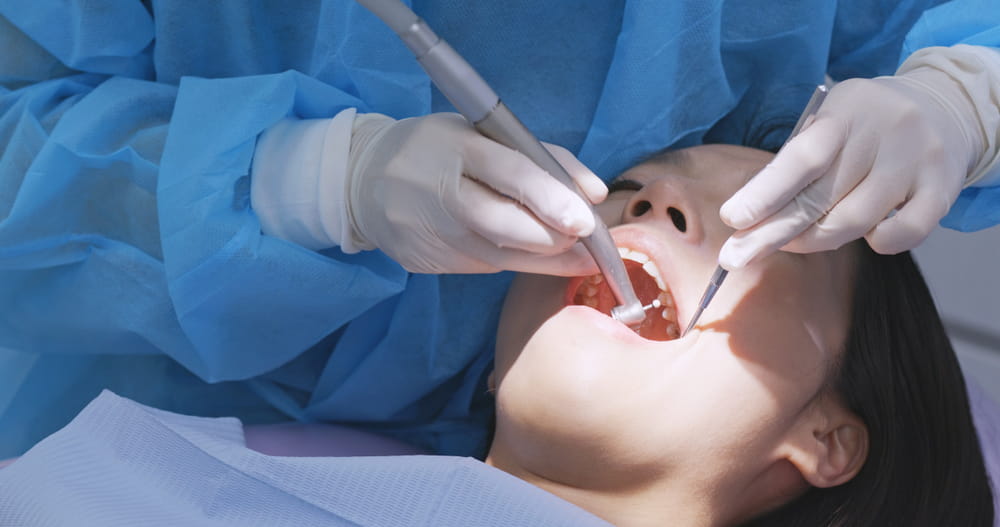
Maintaining healthy gums is one of the most important parts of preserving a healthy smile. At Wyngate Dental of Bethesda, patient education often focuses on preventive care because gum disease can develop gradually without causing significant discomfort in its early stages. When plaque and bacteria accumulate below the gumline, a standard dental cleaning may no longer be enough to restore oral health. In these situations, a procedure known as scaling and root planing is often recommended.
Scaling and root planing, commonly referred to as a deep cleaning, is a non-surgical periodontal treatment designed to remove harmful bacteria and buildup beneath the gums. Unlike routine cleanings that focus on the visible surfaces of teeth, this treatment addresses areas below the gumline where infection can progress and damage supporting structures. Understanding how the procedure works can help patients feel more confident about taking steps to protect their oral health.
What Is Scaling and Root Planing?
Scaling and root planing is a specialized treatment used to manage gum disease, also known as periodontal disease. The procedure consists of two important steps. Scaling removes plaque, tartar, and bacterial deposits from the tooth surfaces and beneath the gums. Root planing smooths the root surfaces of the teeth, making it more difficult for bacteria to reattach and helping the gums heal and reattach to the teeth.
Gum disease develops when bacteria trigger inflammation in the gum tissues. As the condition progresses, pockets can form between the teeth and gums, creating spaces where additional bacteria accumulate. Without treatment, these pockets may deepen, leading to bone loss, gum recession, tooth mobility, and even tooth loss. Scaling and root planing aims to stop this progression and create a healthier environment for the gums.
Signs That a Deep Cleaning May Be Needed
Many people are surprised to learn they have gum disease because symptoms are often mild during the early stages. However, there are several warning signs that may indicate the need for periodontal treatment.
Common Symptoms of Gum Disease
- Red, swollen, or tender gums
- Bleeding during brushing or flossing
- Persistent bad breath
- Gum recession or teeth appearing longer
- Loose teeth
- Sensitivity near the gumline
- Deep pockets around teeth
- Accumulation of tartar below the gums
Dental examinations and Digital X-Rays can help identify signs of periodontal disease that may not be visible during daily oral hygiene routines. Early diagnosis allows treatment to begin before more extensive damage occurs.
What Happens During the Procedure?
Scaling and root planing is typically completed in sections of the mouth to ensure patient comfort. Local anesthetic may be used to numb the treatment area, allowing the provider to thoroughly clean beneath the gums without causing significant discomfort. Specialized instruments are used to remove hardened deposits and bacterial buildup from the root surfaces.
Once scaling is completed, root planing smooths rough areas on the roots where bacteria tend to collect. Smoother root surfaces encourage healing and help gum tissue reattach more closely to the teeth. Depending on the severity of gum disease, additional therapies may sometimes be recommended, such as localized antimicrobial treatments like Arestin.
Following treatment, patients may experience mild tenderness, temporary sensitivity, or slight gum soreness. These effects generally improve within a few days as the tissues begin to heal. Most individuals can return to normal daily activities immediately after their appointment.
Recovery and Long-Term Maintenance
The success of scaling and root planing depends heavily on ongoing oral hygiene and regular professional care. Once active infection has been controlled, maintaining healthy gums becomes the primary goal. Consistent brushing, daily flossing, and routine dental visits help prevent bacteria from re-establishing below the gumline.
Many patients who have undergone treatment for periodontal disease benefit from ongoing Periodontal Maintenance appointments. These visits are more comprehensive than standard cleanings and are designed to monitor gum health, reduce bacterial accumulation, and help prevent recurrence of disease.
Lifestyle factors also play a significant role in long-term outcomes. Smoking cessation, managing chronic health conditions such as diabetes, eating a balanced diet, and maintaining consistent oral hygiene habits can all contribute to healthier gums and improved treatment success.
The Benefits of Treating Gum Disease Early
One of the greatest advantages of scaling and root planing is its ability to address gum disease before surgical intervention becomes necessary. By reducing bacterial infection and inflammation, the procedure helps preserve the structures that support the teeth and lowers the risk of future complications.
Successful treatment can lead to healthier gums, reduced bleeding, fresher breath, shallower periodontal pockets, and improved overall oral health. In many cases, deep cleaning also helps protect restorative dental work such as Crowns & Bridges and Dental Implants by creating a healthier foundation throughout the mouth.
Taking a Proactive Approach to Gum Health
Gum disease is one of the leading causes of tooth loss among adults, yet it is often preventable and manageable when identified early. At Wyngate Dental of Bethesda, understanding treatments such as scaling and root planing empowers patients to make informed decisions about their oral health. Deep cleanings are not simply enhanced versions of routine cleanings—they are targeted treatments designed to stop infection, preserve supporting tissues, and protect long-term dental health.
If symptoms such as bleeding gums, persistent bad breath, or gum recession are present, seeking evaluation sooner rather than later can make a significant difference. Early intervention and consistent maintenance can help preserve a healthy smile for years to come.
Resources
Pihlstrom, B. L., Michalowicz, B. S., & Johnson, N. W. (2005). Periodontal Diseases. The Lancet.
Cobb, C. M. (2002). Clinical Significance of Non-Surgical Periodontal Therapy: An Evidence-Based Perspective of Scaling and Root Planing. Journal of Clinical Periodontology.
Kinane, D. F., Stathopoulou, P. G., & Papapanou, P. N. (2017). Periodontal Diseases. Nature Reviews Disease Primers.