

How Invisalign Improves Bite and Jaw Comfort
Many people think of Invisalign primarily as a cosmetic treatment designed to straighten teeth. While improving smile appearance is certainly one of its benefits, properly aligned teeth also play an important role in overall oral function and comfort. At Wyngate Dental of Bethesda, patient education often focuses on the relationship

Night Guards for Teeth Grinding and Jaw Pain
Teeth grinding, also known as bruxism, is a common condition that affects millions of people. Many individuals grind or clench their teeth during sleep without realizing it, often becoming aware of the problem only after symptoms begin to appear. At Wyngate Dental of Bethesda, patient education frequently focuses on recognizing

The Importance of Professional Cleanings Twice a Year
Maintaining a healthy smile requires more than brushing and flossing at home. While daily oral hygiene plays a critical role in preventing dental problems, professional dental cleanings remain one of the most effective ways to protect teeth and gums from long-term damage. At Wyngate Dental of Bethesda, preventive care is
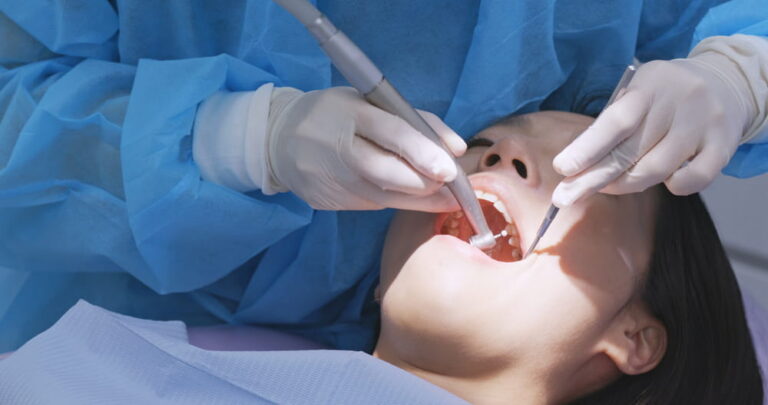
Scaling and Root Planing: Deep Cleaning Explained
Maintaining healthy gums is one of the most important parts of preserving a healthy smile. At Wyngate Dental of Bethesda, patient education often focuses on preventive care because gum disease can develop gradually without causing significant discomfort in its early stages. When plaque and bacteria accumulate below the gumline, a
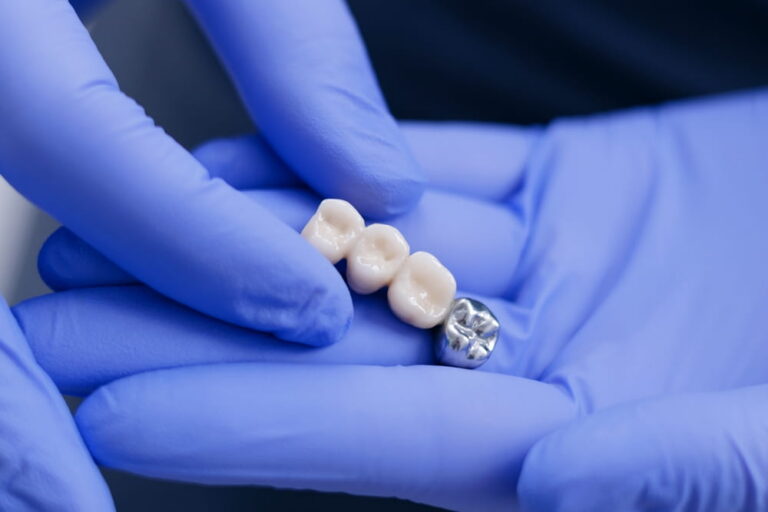
When a Dental Bridge Is the Right Choice
Losing a tooth can affect much more than the appearance of a smile. Missing teeth can change the way a person chews, speaks, and maintains proper oral health. Even a single missing tooth can create a chain reaction within the mouth, allowing neighboring teeth to shift out of position and
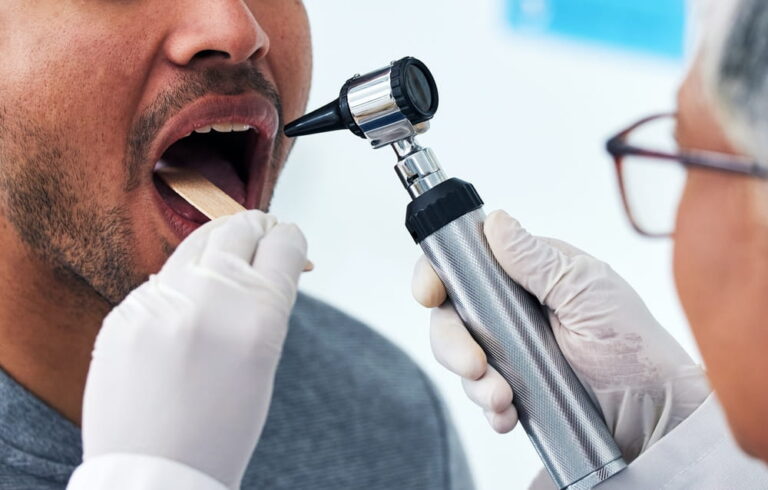
Why Oral Cancer Screenings Save Lives
Oral cancer is a serious health condition that affects thousands of people every year. Like many forms of cancer, successful treatment outcomes often depend on how early the disease is detected. Unfortunately, oral cancer can develop quietly, producing few noticeable symptoms during its earliest stages. This is one reason why