
When patients visit Wyngate Dental of Bethesda in Bethesda, MD, one of the most common questions is whether Invisalign or traditional braces are the better choice for straightening teeth. Orthodontic treatment has evolved significantly over the years, offering more discreet and comfortable options than ever before. Understanding how each treatment works, along with their advantages and limitations, can help you make a confident, informed decision about your smile.
Understanding Traditional Braces
How Braces Work
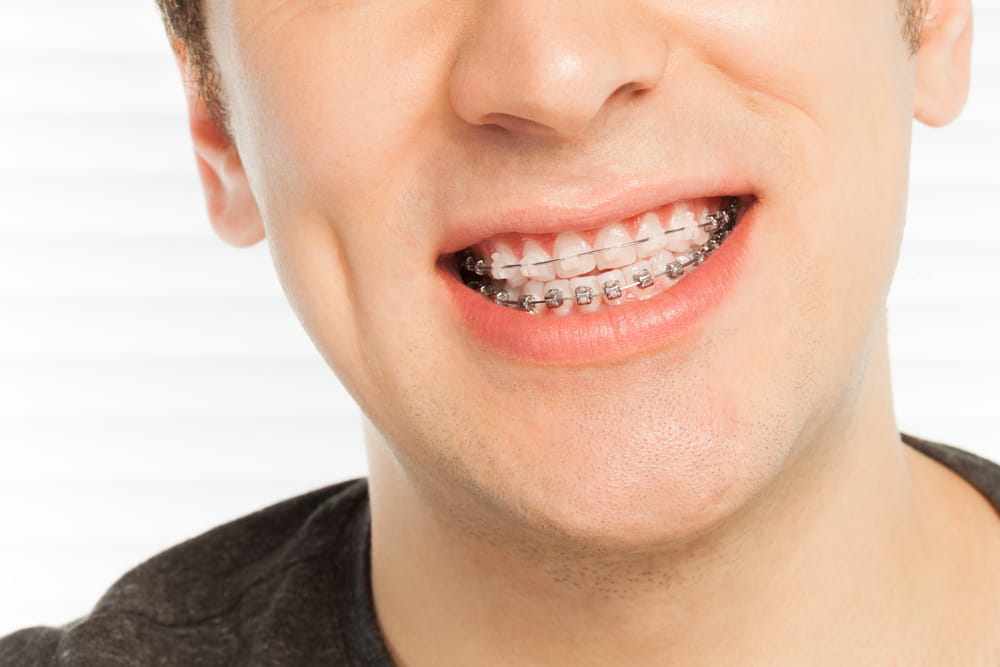
Traditional braces use metal brackets bonded to the teeth and connected by wires and elastic bands. Over time, these components apply steady pressure to gradually move teeth into proper alignment. Adjustments are made periodically to ensure continued progress. Braces are highly effective for correcting mild to severe orthodontic concerns, including overcrowding, gaps, overbites, underbites, and crossbites.
Because braces are fixed in place, they work continuously without relying on patient compliance. This makes them especially helpful for younger patients or individuals who may have difficulty remembering to wear removable appliances. Advances in orthodontics have also made modern braces smaller and more comfortable than older versions.
Benefits and Considerations
Braces are often recommended for complex cases that require significant tooth movement or jaw alignment correction. They can address severe rotations and vertical alignment issues that clear aligners may not fully correct on their own. However, braces are more visible, which may be a concern for teens and adults who prefer a subtle option.
Patients with braces must be mindful of dietary restrictions, avoiding hard, sticky, or chewy foods that can damage brackets and wires. Maintaining excellent oral hygiene is also essential, as food particles can become trapped around the brackets. Regular professional cleanings, such as those provided during cleaning and hygiene appointments, play an important role in protecting teeth throughout orthodontic treatment.
Exploring Invisalign Clear Aligners
How Invisalign Works
Invisalign uses a series of custom-made, clear plastic aligners designed to gradually shift teeth into alignment. Each set of aligners is worn for about one to two weeks before progressing to the next set in the series. The aligners are removable, allowing patients to eat, brush, and floss without restrictions.
One of the most appealing aspects of Invisalign is its nearly invisible appearance. For working professionals, college students, and adults who prefer a discreet orthodontic option, Invisalign offers a convenient and aesthetically pleasing alternative to metal braces.
Benefits and Considerations
Invisalign is well-suited for mild to moderate alignment issues, including crowding, spacing, and certain bite problems. Because the aligners are removable, maintaining oral hygiene is often easier compared to traditional braces. Patients can brush and floss normally, which helps reduce the risk of cavities or the need for treatments like tooth colored fillings during orthodontic care.
However, Invisalign requires discipline. Aligners must be worn for 20 to 22 hours per day to be effective. Removing them too frequently or forgetting to wear them can delay results. In more complex cases, traditional braces may still provide more predictable outcomes.
Comparing Key Factors
When deciding between Invisalign and traditional braces, several factors should be considered:
- Severity of alignment issues
- Aesthetic preferences
- Lifestyle and daily habits
- Age and level of responsibility
- Budget and insurance coverage
In some situations, orthodontic treatment may be part of a larger dental plan. For example, patients preparing for veneers or addressing bite-related discomfort with TMJ treatment may benefit from correcting alignment first to ensure long-term stability and comfort.
Making the Right Choice for Your Smile
Choosing between Invisalign and traditional braces is a personal decision that depends on your unique dental needs and goals. Both options are effective when properly planned and monitored. A comprehensive evaluation, including digital imaging and a thorough exam, helps determine which treatment will deliver the best long-term results.
Patients in Bethesda, MD who are exploring orthodontic solutions often seek guidance from experienced dental professionals to understand their options clearly. At Wyngate Dental of Bethesda, individuals can learn more about Invisalign and other comprehensive dental services that support a healthy, confident smile. By weighing the benefits of each approach and considering your lifestyle, you can move forward with a treatment plan that aligns with both your oral health needs and personal preferences.
Sources
American Association of Orthodontists. (2023). Braces vs. Clear Aligners: Which Is Right for You? AAO.org.
Boyd, R. L. (2008). Esthetic orthodontic treatment using the Invisalign appliance for moderate to complex malocclusions. Journal of Dental Education.
Rossini, G., Parrini, S., Castroflorio, T., Deregibus, A., & Debernardi, C. L. (2015). Efficacy of clear aligners in controlling orthodontic tooth movement: A systematic review. The Angle Orthodontist.