
Tooth loss can significantly affect daily comfort, confidence, and overall health. Traditional dentures have long been a reliable solution, but some individuals find them unstable or uncomfortable over time. Implant-retained dentures offer a modern alternative designed to improve stability and function. At Wyngate Dental of Bethesda in Bethesda, MD, multiple providers often educate patients about advanced tooth replacement options so they can make informed decisions about their oral health. Understanding how implant-retained dentures work can help individuals determine whether this solution aligns with their needs and goals.
How Implant-Retained Dentures Work
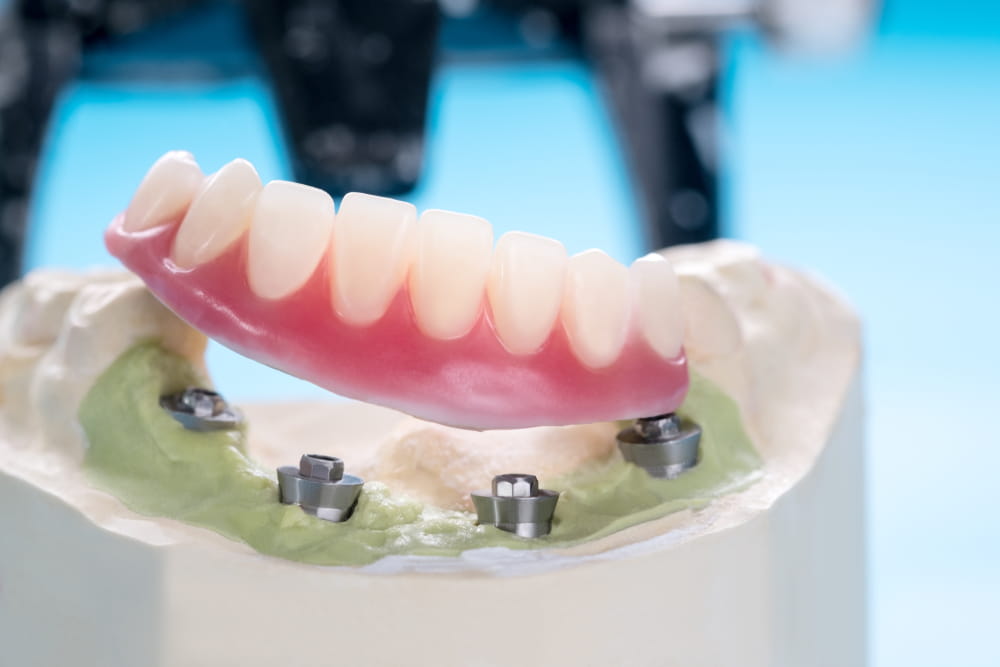
Implant-retained dentures combine the structure of a denture with the support of dental implants. Dental implants are small titanium posts that are surgically placed into the jawbone, where they act as artificial tooth roots. Over time, the implants fuse with the bone through a process called osseointegration, creating a stable and durable foundation. Once healed, a custom denture is securely attached to the implants using specialized connectors.
Unlike traditional dentures that rest directly on the gums, implant-retained dentures snap or clip into place, minimizing movement while eating or speaking. This added support can reduce irritation and eliminate the need for denture adhesives. Options such as Implant Retained Dentures are designed to provide improved stability while maintaining a natural appearance.
Benefits Beyond Stability
One of the most significant advantages of implant-retained dentures is enhanced chewing ability. Because the denture is anchored to implants, it allows for greater biting force compared to conventional removable dentures. This improved function can support better nutrition by making it easier to enjoy a wider range of foods.
Another important benefit is bone preservation. When teeth are lost, the jawbone can gradually shrink due to lack of stimulation. Dental implants help stimulate the bone in a way similar to natural tooth roots, reducing bone loss over time. For individuals seeking a more extensive restoration, options such as Full Arch Implants or All-on-4/ All-on-6 may be considered depending on the number of implants used and overall oral health.
Comfort and confidence are also notable improvements. Because implant-retained dentures are more secure, wearers often experience fewer concerns about slipping or shifting. This can make social interactions, public speaking, and daily activities more comfortable and less stressful.
Who May Be a Candidate?
Many individuals who have lost multiple or all of their teeth may be candidates for implant-retained dentures. Ideal candidates typically have sufficient jawbone density to support implants or are willing to explore procedures that help preserve or rebuild bone. Good overall health and a commitment to maintaining oral hygiene are also important factors.
In some cases, preparatory treatments such as Socket Preservation may be recommended after tooth extraction to maintain bone structure. Individuals currently wearing traditional dentures who are dissatisfied with fit or stability often explore implant-supported options as an upgrade. A comprehensive evaluation is essential to determine whether implants are appropriate and to develop a personalized treatment plan.
Maintenance and Long-Term Care
Although implant-retained dentures are secure, they still require consistent care. Daily cleaning of the denture and surrounding gum tissue helps prevent plaque buildup and inflammation. Regular dental visits are essential to monitor implant health and ensure the attachments remain secure.
Preventive services such as professional cleanings and routine examinations support long-term success. With proper maintenance, implant-retained dentures can provide durable, reliable function for many years. Patients should also follow guidance regarding diet and habits to protect both the implants and the prosthetic components.
Implant-retained dentures represent a significant advancement in restorative dentistry, offering enhanced stability, comfort, and bone preservation compared to traditional dentures. By understanding how they work and who may benefit, individuals can make informed decisions about restoring their smiles. For those seeking educational guidance in Bethesda, MD, Wyngate Dental of Bethesda and its multiple providers emphasize the importance of comprehensive evaluation and thoughtful planning when considering implant-supported solutions.
Sources
American College of Prosthodontists. (2022). Implant-Supported Dentures. ACP.
National Institute of Dental and Craniofacial Research. (2021). Dental Implants. National Institutes of Health.
Mayo Clinic Staff. (2023). Dentures: Types and care. Mayo Clinic.