
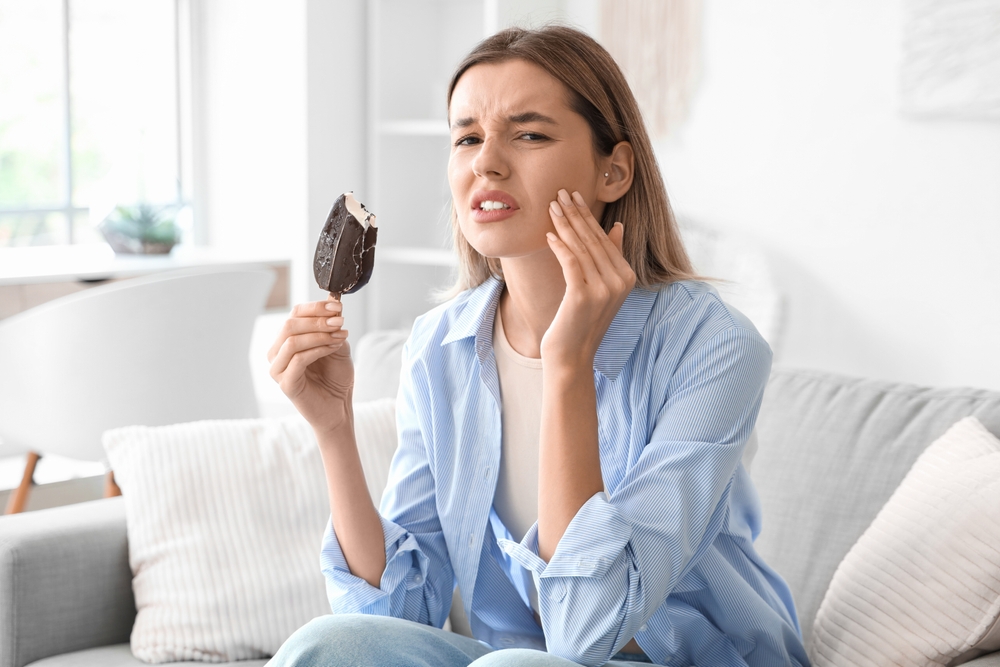
Tooth whitening and dental bonding are popular cosmetic procedures that enhance the appearance of teeth. While both treatments can create a brighter, more uniform smile, they can sometimes lead to temporary tooth sensitivity. At Wyngate Dental of Bethesda, multiple providers in Bethesda, MD, emphasize the importance of understanding how to manage this common side effect to maintain oral comfort and protect your teeth. Sensitivity after whitening or bonding is typically mild and short-lived, but knowing effective strategies can help patients avoid discomfort while enjoying the results of their treatment.
The sensitivity occurs because these procedures temporarily affect the enamel or expose microscopic channels in the teeth that communicate with the nerves. Tooth whitening agents often contain peroxide, which can penetrate the enamel and irritate the underlying dentin. Similarly, bonding may require minor enamel preparation, which can also make teeth more reactive to temperature changes or certain foods. Being prepared and informed allows patients to minimize discomfort and continue their normal daily routines without worry.
Why Sensitivity Happens After Whitening or Bonding
Tooth sensitivity is a natural response of teeth to external stimuli after cosmetic procedures. In the case of whitening, peroxide-based gels penetrate the enamel to break down stains, which can slightly dehydrate teeth and temporarily irritate nerve endings. The result is a heightened response to hot, cold, sweet, or acidic foods. Typically, this sensitivity peaks within the first 24–48 hours and gradually diminishes as the enamel rehydrates and the teeth adjust.
For bonding, sensitivity is usually related to enamel preparation. Before applying composite materials, dentists may lightly etch the enamel surface to ensure proper adhesion. This process can temporarily expose dentinal tubules, leading to mild sensitivity. Patients may notice discomfort when biting or when consuming very hot or cold foods, but it usually resolves naturally over several days. Understanding the source of the sensitivity helps patients manage it more effectively without unnecessary concern.
Tips for Managing Tooth Sensitivity
Several strategies can help reduce discomfort following whitening or bonding procedures. Maintaining good oral hygiene is critical, but patients should use gentle brushing techniques and a soft-bristled toothbrush to avoid aggravating sensitive areas. Toothpaste formulated specifically for sensitive teeth can provide relief by blocking the pathways to the nerves. Additionally, avoiding acidic, very hot, or very cold foods for a few days after treatment can allow the teeth to stabilize.
Other helpful measures include:
- Using a fluoride rinse to strengthen enamel and reduce sensitivity
- Limiting consumption of staining or acidic beverages such as coffee, tea, or citrus juices immediately after whitening
- Applying desensitizing gels or treatments recommended by a dentist for targeted relief
When to Seek Professional Advice
While post-treatment sensitivity is often temporary, persistent or severe discomfort may indicate an underlying issue that requires professional attention. If sensitivity lasts more than a few weeks or worsens over time, a dental evaluation can determine whether there is enamel damage, decay, or an issue with the bonding material. Early intervention can prevent long-term problems and ensure that cosmetic results are maintained without compromising oral health.
Regular check-ins and professional guidance are valuable for anyone experiencing prolonged sensitivity. Dentists can provide treatments or modifications to minimize discomfort, such as adjusting whitening protocols, applying protective coatings, or recommending specific products to strengthen enamel. Understanding when to seek help ensures that patients can enjoy their enhanced smiles safely and comfortably.
Conclusion
Tooth sensitivity after whitening or bonding is a common and usually temporary condition that can be effectively managed with proper care. Simple strategies like using sensitive toothpaste, avoiding extreme temperatures, and maintaining gentle oral hygiene can make a significant difference. Patients in Bethesda, MD, who want to better understand post-treatment sensitivity can rely on Wyngate Dental of Bethesda and multiple providers for educational guidance. Being informed allows individuals to enjoy the benefits of cosmetic dental procedures while protecting their oral comfort and health.
Resources
- Pashley, D. H., et al. (2001). Dentin Permeability and Sensitivity. Journal of Dental Research.
- Litonjua, L. A., et al. (2003). The Effect of Whitening Agents on Enamel and Dentin. Operative Dentistry.
- Gordan, V. V., et al. (2009). Bonding and Postoperative Sensitivity. Journal of Adhesive Dentistry.