
Fluoride is a mineral naturally found in water, soil, and various foods. Its primary role in dental health is to strengthen tooth enamel and prevent decay. While fluoride is often associated with children’s dental care, adults can also benefit from its protective properties. The process of enamel remineralization, which fluoride facilitates, is crucial throughout life. Enamel can wear down over time due to factors such as aging, diet, and exposure to acidic substances. When enamel weakens, teeth become more susceptible to cavities and sensitivity.
For adults, fluoride serves multiple functions beyond cavity prevention. It helps repair early stages of tooth decay before cavities form and can reduce sensitivity in worn enamel. Daily exposure through fluoridated toothpaste or mouth rinses offers some protection, but professionally applied fluoride treatments provide higher concentrations for more significant benefits. These treatments can be particularly valuable for adults who consume acidic foods and beverages, have dry mouth conditions, or have a history of frequent cavities.
When Adults Might Need Fluoride Treatments
While not every adult requires professional fluoride applications, certain risk factors make these treatments more beneficial. Adults with weakened enamel, gum recession, or a high risk of cavities may see noticeable improvements in dental health with fluoride use. Smokers, individuals with diabetes, and those who experience dry mouth due to medications are also more prone to decay, making fluoride an important preventive measure.
Additionally, adults who have had dental restorations such as crowns, bridges, or fillings may benefit from fluoride treatments. These areas can be more vulnerable to decay at the margins, and fluoride helps strengthen the surrounding tooth structure. Older adults, in particular, may experience enamel thinning and gum recession, making professional fluoride applications a helpful strategy to maintain oral health and reduce sensitivity.
How Fluoride Treatments Work
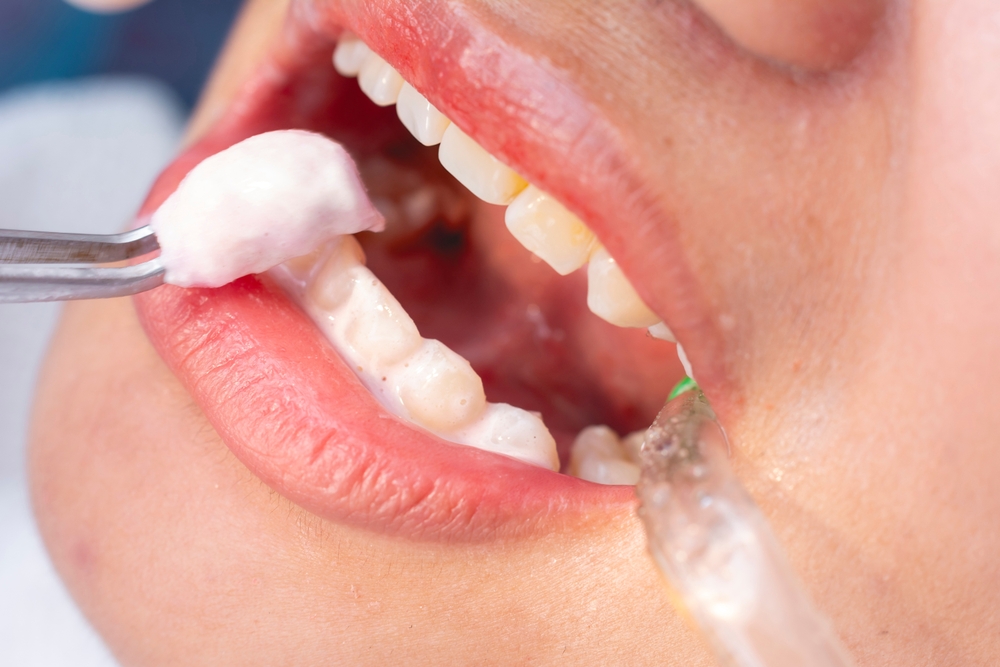
Fluoride treatments are available in various forms, including gels, varnishes, and foams, typically applied during dental visits. These treatments work by depositing concentrated fluoride directly onto the teeth, allowing the mineral to penetrate enamel more effectively than daily toothpaste alone. This process strengthens enamel, making teeth more resistant to acid attacks from bacteria and food.
The frequency of treatments varies depending on individual risk factors. For some adults, a treatment every six months may be sufficient, while those at higher risk of decay might benefit from more frequent applications. It is important to note that fluoride treatments are quick, painless, and can complement at-home oral hygiene practices. The combination of professional fluoride applications and regular brushing and flossing provides a comprehensive approach to maintaining strong, healthy teeth.
Maintaining Oral Health Beyond Fluoride
While fluoride is a powerful tool for preventing decay, it should be part of a broader oral health strategy. Regular dental checkups, proper brushing and flossing techniques, limiting sugary or acidic foods, and staying hydrated all contribute to stronger teeth and healthier gums. Fluoride works best in synergy with these habits, reinforcing enamel and helping to repair early signs of damage.
For adults interested in maximizing the benefits of fluoride, discussing individual risk factors with a dental professional is essential. Tailored recommendations can help determine the ideal type and frequency of fluoride treatment. This approach ensures that each adult maintains optimal oral health while addressing specific vulnerabilities, whether due to lifestyle, diet, or medical conditions.
Conclusion
Fluoride is not just for children—adults can experience significant benefits from professional treatments and daily use. By strengthening enamel, preventing decay, and supporting overall oral health, fluoride plays an important role in maintaining a healthy, confident smile. Residents of Bethesda, MD, can rely on knowledgeable providers like those at Wyngate Dental of Bethesda to stay informed about fluoride and its potential advantages for adult dental care. Understanding how fluoride works and when it may be necessary empowers adults to take proactive steps in preserving their teeth for years to come.
Resources:
- Featherstone, J. D. (2000). The Science and Practice of Caries Prevention. Journal of the American Dental Association.
- American Dental Association. (2021). Fluoride and Oral Health.
- Zero, D. T. (1999). Dental Caries Process. Dental Clinics of North America.