
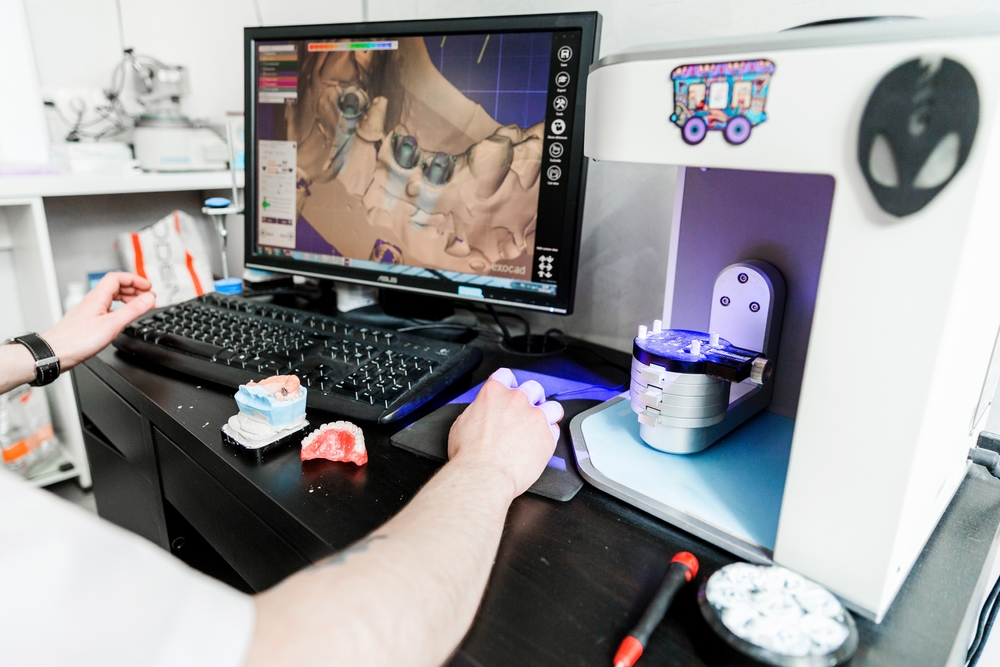
Digital Smile Design (DSD) is a revolutionary approach that allows individuals to envision the smile they truly want before any dental procedure begins. At Wyngate Dental of Bethesda, patients in Bethesda, MD, can explore the possibilities of this technology to understand how their ideal smile could transform their appearance and boost their confidence. Unlike traditional methods that rely on impressions and guesswork, DSD uses advanced digital tools to create a precise visual representation of the desired outcome. This ensures that patients have a clear idea of the final result, helping them make informed decisions about their smile transformation journey.
DSD is not just about aesthetics; it’s a combination of art and science. By analyzing facial features, dental proportions, and even the way teeth interact when speaking or smiling, dentists can create a digital blueprint that guides treatment planning. Patients can see multiple variations and modifications in real-time, providing a collaborative experience between the patient and the dentist. This personalized approach makes it easier to achieve a smile that not only looks good but also complements the individual’s unique facial structure.
In Bethesda, MD, the appeal of Digital Smile Design extends beyond cosmetic results. Understanding how your smile will look after treatment reduces anxiety and uncertainty, which is often associated with dental procedures. For anyone curious about transforming their smile, DSD offers an unprecedented level of visualization and precision, making it an invaluable tool in modern dentistry.
How Digital Smile Design Works
Digital Smile Design begins with a thorough digital analysis of your face and teeth. High-resolution photographs, videos, and sometimes 3D scans are captured to map the patient’s current dental structure. These digital inputs are then used to create a virtual model, allowing both patients and dentists to manipulate the images and test different design options. This process ensures that every element of the smile, including tooth shape, size, color, and alignment, is carefully planned.
Once the digital blueprint is created, dentists can simulate how different treatments—such as veneers, crowns, or orthodontics—will alter the appearance of the smile. Patients can see these changes in real-time, making it easier to select a design that aligns with their personal aesthetic goals. In addition, DSD can highlight potential functional improvements, such as better bite alignment, which contributes to both oral health and overall comfort.
One of the most valuable aspects of DSD is the ability to experiment with multiple designs before any irreversible procedures are performed. This minimizes surprises and ensures that the final outcome meets expectations. The combination of technology, precision, and patient collaboration makes Digital Smile Design a transformative tool for anyone considering a smile makeover.
Benefits of Digital Smile Design
Digital Smile Design offers several benefits that go beyond traditional cosmetic planning. First, it enhances communication between the patient and the dentist. Patients can clearly express their preferences, and dentists can demonstrate what is achievable within the limits of their dental structure and health. This collaborative approach reduces misunderstandings and increases patient satisfaction.
Another key advantage is predictability. By providing a realistic preview of the expected results, patients can feel more confident in proceeding with treatment. DSD also helps identify potential issues early in the planning phase, such as bite discrepancies or spacing problems, allowing for adjustments that improve both aesthetics and function.
Additionally, Digital Smile Design supports a more personalized approach. Each smile is unique, and DSD takes into account facial symmetry, lip movement, and overall facial harmony to ensure the final result complements the individual. For those seeking a smile that enhances confidence and personal expression, DSD represents a marriage of advanced technology and artistic design principles.
- Key benefits at a glance:
- Enhanced visualization of treatment outcomes
- Improved communication between patient and dentist
- Greater predictability and reduced surprises
- Personalized treatment plans based on individual facial features
Why Digital Smile Design is Transforming Dentistry
The rise of Digital Smile Design is reshaping how both dentists and patients approach cosmetic dentistry. By placing visualization at the forefront, DSD empowers patients to actively participate in their smile transformation. This level of involvement fosters a sense of ownership and satisfaction with the final result, which traditional methods often lack.
Moreover, DSD bridges the gap between artistry and science in dentistry. While cosmetic dentistry has always required an aesthetic eye, the precision offered by digital technology elevates the craft. Dentists can make data-driven decisions while still tailoring the smile to the patient’s personality and desires. This combination of accuracy and creativity is changing expectations for cosmetic dental outcomes.
As technology continues to advance, Digital Smile Design is likely to become a standard in dental practices worldwide. For patients in Bethesda, MD, exploring DSD can provide a deeper understanding of what’s possible and inspire confidence in the smile transformation journey. At Wyngate Dental of Bethesda, the potential of Digital Smile Design demonstrates how modern dentistry is evolving to prioritize both beauty and function.
Conclusion
Digital Smile Design offers a unique opportunity to visualize, plan, and achieve the smile you truly want. By integrating technology, aesthetics, and individualized treatment planning, it provides a level of precision and personalization that was previously unattainable. Patients in Bethesda, MD, can see exactly how different treatments will enhance their appearance and functionality, leading to more informed decisions and greater satisfaction. Whether considering minor adjustments or a full smile makeover, understanding DSD can empower anyone to take control of their dental aesthetics. Wyngate Dental of Bethesda highlights the transformative potential of this technology, showing how modern tools are reshaping the way we think about smiles.
Resources
McLaughlin, K. A., & Nolen-Hoeksema, S. (2011). Rumination as a Transdiagnostic Factor in Depression and Anxiety. Behavior Researcher and Therapy.
Coachman, C., & Calamita, M. (2012). Digital Smile Design Concept: Applications and Techniques. Dental Press Journal of Orthodontics.
Tjan, A. H., Miller, G. D., & The, J. G. (1984). Some Esthetic Factors in a Smile. Journal of Prosthetic Dentistry.