
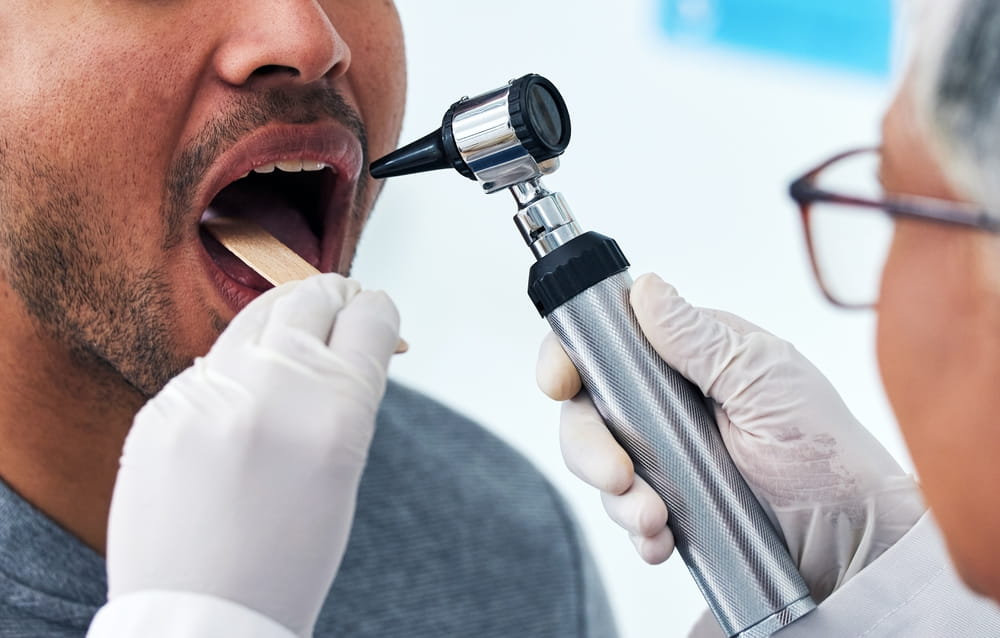
Oral cancer is a serious health condition that affects thousands of people every year. Like many forms of cancer, successful treatment outcomes often depend on how early the disease is detected. Unfortunately, oral cancer can develop quietly, producing few noticeable symptoms during its earliest stages. This is one reason why routine oral cancer screenings have become such an important part of preventive dental care.
At Wyngate Dental of Bethesda, patient education is an important aspect of promoting long-term oral health. Understanding the purpose of oral cancer screenings can help individuals recognize why these examinations are recommended during routine dental visits. While many people focus on cavities, gum disease, or cosmetic concerns, screenings for oral cancer can be one of the most valuable preventive measures available.
According to health organizations, oral cancer can affect the lips, tongue, cheeks, floor of the mouth, hard and soft palate, sinuses, and throat. When detected early, treatment options are often more effective and less invasive. Early diagnosis can significantly improve survival rates and quality of life.
Understanding Oral Cancer and Its Risk Factors
Oral cancer develops when abnormal cells grow uncontrollably within the tissues of the mouth or throat. While anyone can develop oral cancer, certain factors may increase risk. Tobacco use remains one of the most significant contributors, including cigarettes, cigars, pipes, and smokeless tobacco products. Excessive alcohol consumption can also increase risk, particularly when combined with tobacco use.
In recent years, infections associated with the human papillomavirus (HPV) have become an increasingly recognized risk factor for certain types of oral and throat cancers. Additionally, prolonged sun exposure can contribute to cancers of the lips, while age, family history, and weakened immune systems may also play a role.
It is important to understand that oral cancer does not exclusively affect individuals with known risk factors. Some patients diagnosed with oral cancer have no obvious risk factors at all. This is one reason why screenings are recommended for adults regardless of their personal health history.
Signs and Symptoms That Should Never Be Ignored
One of the challenges of oral cancer is that symptoms may appear subtle at first. In some cases, individuals experience no discomfort until the disease has progressed. Regular screenings help identify abnormalities that may not yet be causing symptoms.
Potential warning signs include:
- Persistent sores that do not heal
- White or red patches inside the mouth
- Lumps, thickened tissue, or unusual growths
- Chronic sore throat
- Difficulty swallowing
- Changes in voice quality
- Persistent mouth pain
- Numbness of the lips, tongue, or mouth
- Unexplained bleeding in the mouth
- Loose teeth without an obvious cause
Although these symptoms do not automatically indicate cancer, they should be evaluated promptly. Many oral health conditions can mimic similar symptoms, making professional evaluation essential.
What Happens During an Oral Cancer Screening?
Many patients are surprised to learn that oral cancer screenings are typically quick, painless, and noninvasive. During a screening, a dental professional carefully examines the tissues of the mouth, tongue, lips, gums, cheeks, palate, and throat for any unusual changes or abnormalities.
The examination often includes a visual assessment as well as gentle palpation of the tissues to detect any lumps, thickening, or suspicious areas. The neck and jaw regions may also be examined to identify swollen lymph nodes or other concerns that could warrant further investigation.
Routine preventive visits that include services such as Cleaning and Hygiene appointments often provide an ideal opportunity for oral cancer screenings. Because these examinations are integrated into regular dental care, many patients benefit from consistent monitoring over time, allowing providers to identify subtle changes that might otherwise go unnoticed.
Why Screenings Can Make a Life-Changing Difference
The greatest value of oral cancer screenings lies in their ability to identify concerns before symptoms become severe. Oral cancers detected during their earliest stages are often smaller, more localized, and easier to treat. This can lead to improved outcomes, reduced treatment complexity, and higher survival rates.
When oral cancer is diagnosed at an advanced stage, treatment may involve more extensive surgery, radiation therapy, chemotherapy, or combinations of these approaches. Advanced disease can also affect speech, swallowing, facial appearance, and overall quality of life. Detecting abnormalities early may help minimize these challenges.
In addition to identifying cancerous changes, screenings can detect precancerous lesions that have the potential to become malignant over time. Early intervention and monitoring of these areas can prevent future complications and support better long-term health outcomes.
Oral Cancer Prevention and Ongoing Monitoring
While no screening can completely eliminate the risk of oral cancer, regular examinations remain an important part of a comprehensive prevention strategy. Individuals can also reduce risk through healthy lifestyle choices and awareness of warning signs.
Helpful preventive measures include:
- Avoiding tobacco products
- Limiting excessive alcohol consumption
- Practicing good oral hygiene
- Using lip protection during prolonged sun exposure
- Maintaining regular dental visits
- Discussing HPV-related health concerns with healthcare providers
Preventive services such as Oral Cancer Screenings and routine examinations allow for ongoing monitoring of oral tissues throughout life. Consistent observation can help identify changes that may otherwise be difficult to detect on your own.
A Simple Screening That Could Save a Life
Many serious health conditions benefit from early detection, and oral cancer is no exception. Because symptoms can be subtle or absent during the early stages, routine screenings provide an important opportunity to identify concerns before they become more advanced. These brief examinations can play a significant role in improving treatment success and protecting overall health.
At Wyngate Dental of Bethesda, helping patients understand the value of preventive care remains an important part of supporting lifelong wellness. Oral cancer screenings are a simple yet powerful tool that can lead to earlier diagnosis, more effective treatment, and potentially life-saving outcomes. Staying proactive with regular dental visits and screenings can help individuals protect both their oral health and their overall well-being.
Resources
Siegel, R. L., Miller, K. D., & Jemal, A. (2024). Cancer Statistics, 2024. CA: A Cancer Journal for Clinicians.
Lingen, M. W., Kalmar, J. R., Karrison, T., & Speight, P. M. (2008). Critical Evaluation of Diagnostic Aids for the Detection of Oral Cancer. Oral Oncology.
Warnakulasuriya, S. (2009). Global Epidemiology of Oral and Oropharyngeal Cancer. Oral Oncology.