
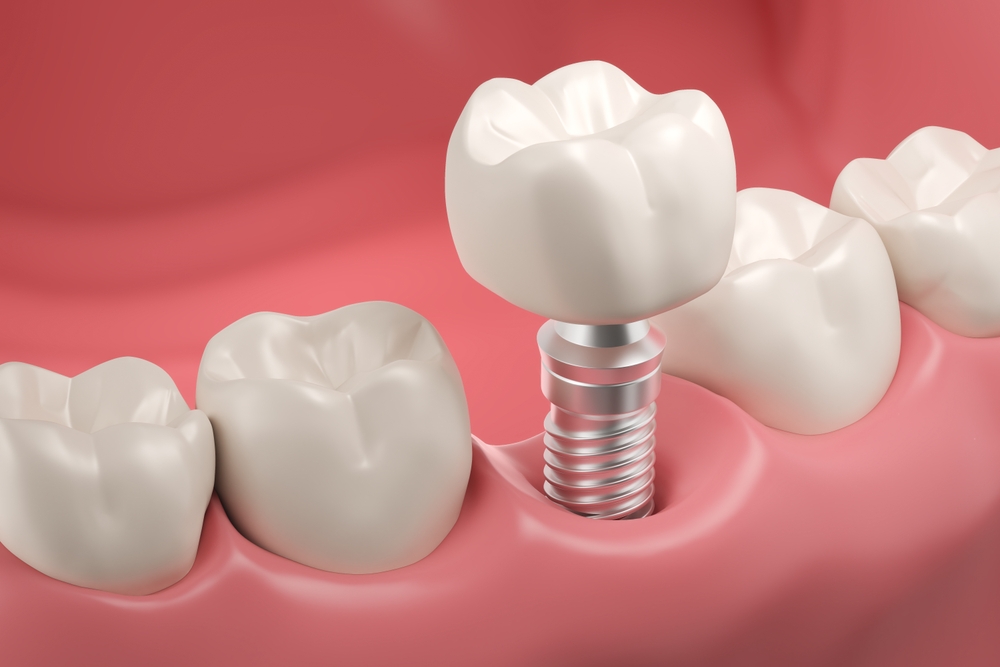
Single tooth implants are a modern dental solution designed to replace a missing tooth with a restoration that closely mimics a natural tooth in appearance and function. Unlike traditional bridges or dentures, a single tooth implant is anchored directly into the jawbone, providing stability and long-term durability. For residents of Bethesda, MD, understanding how single tooth implants work can help clarify why they are often considered the gold standard for tooth replacement.
The implant itself is typically made of titanium, a biocompatible material that integrates with the jawbone through a process called osseointegration. This fusion creates a strong foundation for the replacement crown, allowing it to function like a natural tooth. A custom-made crown is then attached to the implant, restoring the tooth’s shape, size, and bite alignment. This process not only improves the appearance of a smile but also ensures proper oral function, which is essential for speaking, chewing, and maintaining overall dental health.
Advantages of Single Tooth Implants
Single tooth implants offer numerous benefits over other tooth replacement options. One of the primary advantages is their ability to preserve jawbone integrity. When a tooth is missing, the surrounding bone can deteriorate over time, leading to changes in facial structure and weakening of adjacent teeth. By stimulating the bone, implants help maintain facial contours and support oral health.
Other advantages include improved stability and function compared to removable dentures. Since the implant is securely anchored in the jaw, it eliminates slipping or discomfort that can occur with traditional dentures. Additionally, implants do not require the alteration of surrounding healthy teeth, as is often necessary with dental bridges. This helps maintain the long-term health of adjacent teeth and reduces the risk of future dental complications.
Who Can Benefit from Single Tooth Implants
While single tooth implants are suitable for many adults, certain factors make some patients better candidates than others. Ideal candidates generally have healthy gums and sufficient jawbone to support the implant. However, bone grafting procedures can often address deficiencies, allowing more patients to benefit from implants. Individuals who have lost a single tooth due to trauma, decay, or congenital absence can particularly benefit from this solution, as it restores both functionality and aesthetics.
Patients with good oral hygiene and a commitment to regular dental visits tend to experience the highest success rates with implants. Factors such as smoking or uncontrolled chronic conditions may impact healing and long-term outcomes, so these considerations are important in treatment planning. Overall, the versatility and durability of single tooth implants make them a reliable option for replacing individual missing teeth.
The Longevity and Care of Single Tooth Implants
One of the most compelling reasons single tooth implants are considered the gold standard is their longevity. With proper care, implants can last several decades or even a lifetime. Maintaining good oral hygiene, including brushing, flossing, and routine dental checkups, is essential to prevent complications such as peri-implantitis, a condition similar to gum disease that affects the tissues around the implant.
Implants also support adjacent teeth by providing stability and reducing excessive stress on surrounding teeth. Patients can enjoy normal eating habits without fear of damage, and the restoration does not typically require replacement as frequently as bridges or dentures. This combination of durability, function, and aesthetic appeal reinforces why single tooth implants remain a preferred solution for tooth replacement.
Conclusion
Single tooth implants represent a reliable, long-lasting, and natural-looking solution for individuals who have lost a tooth. By preserving jawbone structure, protecting adjacent teeth, and providing superior function, implants have earned their reputation as the gold standard in tooth replacement. For residents of Bethesda, MD, understanding these benefits can empower informed decisions about dental health. Patients who are knowledgeable about single tooth implants are better prepared to maintain a strong, healthy smile for years to come, as emphasized by the experienced providers at Wyngate Dental of Bethesda.
Resources:
- Branemark, P. I., et al. (2001). Osseointegration and its Experimental Background. Journal of Prosthetic Dentistry.
- American Academy of Implant Dentistry. (2020). Implant Facts and Guidelines.
- Buser, D., et al. (2012). Long-term Evaluation of Dental Implants in the Treatment of Partial Edentulism. Clinical Oral Implants Research.