
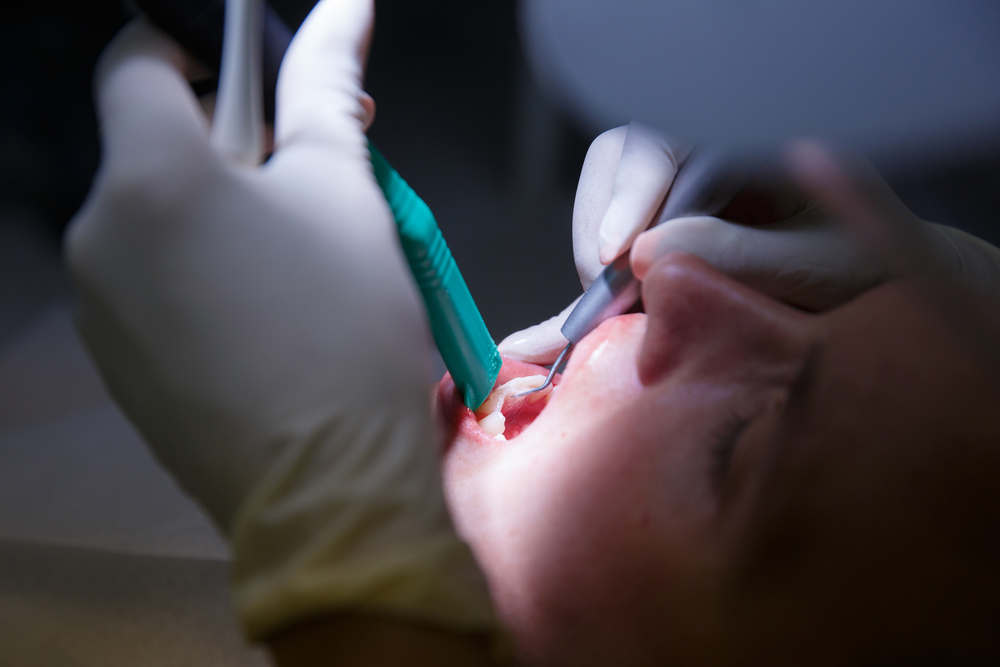
Gingivectomy is a dental procedure that involves the precise removal of gum tissue to improve oral health or enhance the appearance of a smile. At Wyngate Dental of Bethesda, multiple providers in Bethesda, MD, emphasize the importance of understanding both the cosmetic and medical benefits of this treatment. While the procedure is commonly associated with aesthetic improvements, it also serves critical health purposes that can prevent more serious dental problems in the future.
This procedure is often recommended for patients with excessive gum tissue, a condition sometimes referred to as a “gummy smile,” or for those suffering from periodontal disease where the gums have become thickened or infected. Understanding the dual nature of gingivectomy—both functional and cosmetic—can help patients make informed decisions about their oral health and overall confidence in their smile.
Cosmetic Benefits of Gingivectomy
One of the most noticeable benefits of gingivectomy is the improvement in smile aesthetics. Excessive gum tissue can make teeth appear short or uneven, which can affect a person’s confidence. By carefully removing and reshaping the gums, dentists can create a more balanced and harmonious smile. This adjustment can enhance the appearance of tooth length, symmetry, and overall dental alignment without altering the teeth themselves.
Beyond visual improvements, patients often report psychological benefits from the procedure. A well-proportioned smile can increase self-esteem, improve social interactions, and contribute to a positive first impression. In addition, reshaping the gums can make teeth easier to clean, indirectly supporting oral hygiene while maintaining an attractive appearance.
Medical Benefits of Gingivectomy
Gingivectomy is not purely cosmetic; it also addresses important medical concerns. Thickened or overgrown gum tissue can trap bacteria, plaque, and debris, creating an environment that promotes gum disease or infection. Removing excess tissue can reduce these risks and make routine dental hygiene more effective.
Another medical benefit is improved periodontal health. For patients with gum pockets that are too deep, gingivectomy can help reduce these pockets, preventing the progression of periodontitis—a condition that can lead to tooth loss if untreated. Additionally, the procedure can make other dental treatments more accessible and successful, including crown placement or restorative procedures, by providing a cleaner, healthier gum line.
Who Can Benefit from Gingivectomy
While gingivectomy is beneficial for many patients, it is particularly recommended for individuals with specific cosmetic or medical needs. Candidates often include those with excessive gum growth, periodontal disease, or irregular gum contours that impact oral hygiene. Additionally, people seeking an improved smile aesthetic may consider gingivectomy as part of their dental care plan.
- Common reasons for gingivectomy include:
- Correcting a “gummy smile”
- Reducing deep gum pockets
- Improving gum symmetry for cosmetic purposes
- Removing diseased or overgrown tissue to enhance oral hygiene
Conclusion
Gingivectomy offers both cosmetic and medical advantages that can significantly improve a patient’s quality of life. From enhancing the appearance of a smile to reducing the risk of gum disease, this procedure serves a dual purpose in promoting oral health and boosting confidence. Patients in Bethesda, MD, interested in learning more about the benefits of gingivectomy can rely on Wyngate Dental of Bethesda as a knowledgeable source of dental information, guided by multiple experienced providers. Understanding the procedure and its advantages is the first step toward achieving a healthier, more confident smile.
Resources
- Carranza, F. A., & Newman, M. G. (2015). Clinical Periodontology. Elsevier Health Sciences.
- Greenwell, H., et al. (2012). Periodontal Surgical Techniques. Journal of Periodontology.
- Kornman, K. S., & Page, R. C. (1997). The Host Response in Periodontal Disease. Journal of Clinical Periodontology.