
When a tooth becomes weakened, cracked, or severely decayed, choosing the right restorative treatment is essential for protecting long-term oral health. A dental crown is one of the most reliable and versatile solutions in modern dentistry. Patients in Bethesda, MD who want to preserve their natural teeth often benefit from understanding when a crown may be the most appropriate option. Wyngate Dental of Bethesda emphasizes the importance of patient education so individuals can make confident decisions about their care.
What Is a Dental Crown?
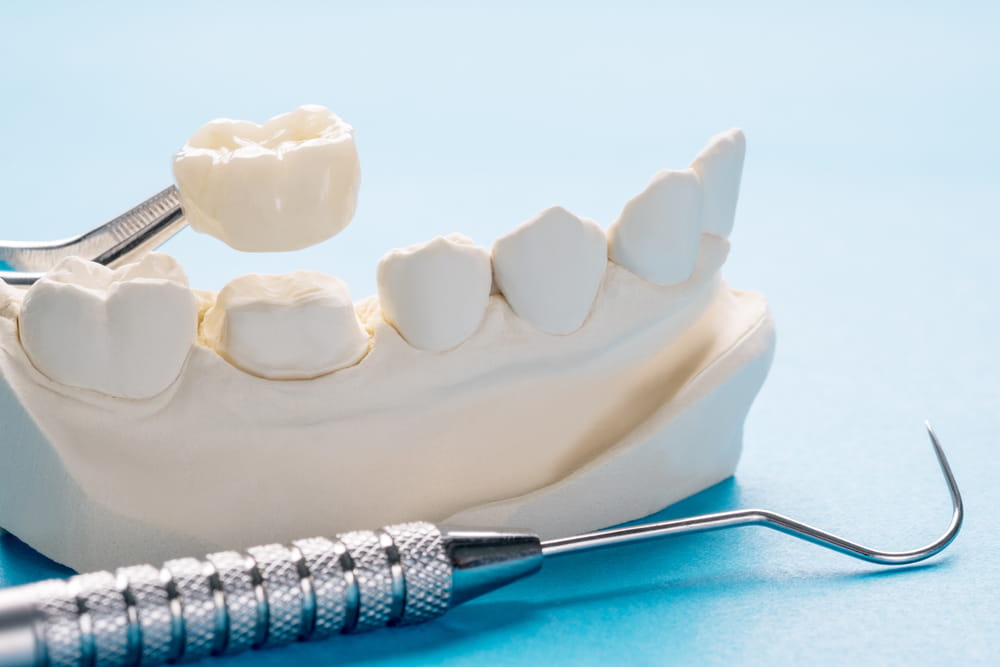
A dental crown is a custom-made cap that fully covers the visible portion of a damaged tooth. It restores the tooth’s shape, size, strength, and appearance while protecting it from further harm. Crowns can be crafted from materials such as porcelain, ceramic, metal alloys, or a combination, depending on the location of the tooth and functional needs.
Unlike tooth-colored fillings, which repair smaller areas of decay, crowns provide full structural coverage. This makes them particularly useful when a tooth has lost significant integrity. By encasing the remaining healthy structure, a crown reinforces the tooth and allows patients to chew, speak, and smile with confidence.
Severe Tooth Decay or Large Fillings
One of the most common reasons a crown becomes the best solution is extensive tooth decay. When a cavity is too large for a filling to adequately support the remaining structure, placing another filling may increase the risk of fracture. In these situations, a crown distributes biting forces more evenly and prevents the tooth from breaking under pressure.
Similarly, teeth with large, aging fillings can become vulnerable over time. As natural tooth structure weakens, cracks may develop. A crown offers long-term stability by covering and protecting the entire surface. For patients who have experienced repeated dental work on the same tooth, transitioning to a crown may provide a more durable and predictable outcome.
Cracked, Broken, or Worn Teeth
Teeth can crack due to trauma, grinding, or biting down on hard objects. Even small cracks can worsen if left untreated, leading to pain or infection. A crown acts like a protective shield, holding the tooth together and preventing the crack from spreading further. In cases of significant breakage, bonding alone may not provide sufficient strength, making a crown the more dependable choice.
Severe wear from bruxism (teeth grinding) can also thin enamel and compromise tooth structure. Once enamel is lost, it does not regenerate. Crowns restore the proper height and shape of worn teeth, improving both function and comfort. For patients who grind their teeth, a night guard may also be recommended to protect the new restoration.
After Root Canal Treatment
Teeth that undergo root canal therapy often require crowns afterward. Although the procedure removes infection and saves the tooth, it can leave the structure more brittle. Without the protective reinforcement of a crown, the treated tooth may be at risk for fracture under normal chewing forces.
Placing a crown after root canal treatment helps seal the tooth and restore its strength. This combination allows patients to maintain their natural tooth rather than requiring extraction and replacement with options such as dental implants. In many cases, timely crown placement significantly extends the lifespan of the treated tooth.
Cosmetic and Functional Enhancements
While crowns are frequently used for restorative purposes, they can also provide cosmetic benefits. Teeth that are severely discolored, misshapen, or uneven may benefit from crown placement when veneers are not sufficient. Because crowns fully cover the tooth, they can dramatically improve overall appearance while strengthening compromised structure.
In addition, crowns are essential components of larger restorative treatments. For example, they anchor crowns and bridges used to replace missing teeth. They may also be placed over dental implants to restore a natural look and feel. In these cases, crowns serve both aesthetic and functional roles in rebuilding a healthy smile.
Making an Informed Decision in Bethesda, MD
Choosing whether a dental crown is the best solution depends on the extent of damage, location of the tooth, and long-term goals for oral health. A thorough evaluation, often including digital X-rays, helps determine the most appropriate course of action. Early intervention can prevent more complex procedures later.
For patients seeking trusted guidance, Wyngate Dental of Bethesda provides comprehensive dental care in Bethesda, MD with multiple providers focused on personalized treatment planning. Understanding when a crown is the right solution empowers patients to protect their natural teeth and maintain strong, healthy smiles for years to come.
Sources
American Dental Association. (2023). Crowns: Restoring Teeth. MouthHealthy.org.
Cleveland Clinic. (2023). Dental Crowns: Types, Procedure & Care. ClevelandClinic.org.
Mayo Clinic Staff. (2022). Tooth Decay and Damage Treatment Options. Mayo Clinic.