
Missing teeth can have a significant impact on both oral health and overall quality of life. When a tooth is lost, the surrounding teeth may shift toward the gap, which can lead to bite misalignment and uneven wear. Over time, the jawbone in the area of the missing tooth can deteriorate due to a lack of stimulation, potentially affecting facial structure and contributing to a sunken appearance. Missing teeth can also make chewing and speaking more challenging, which may affect nutrition and communication.
Beyond these functional concerns, missing teeth often influence self-confidence. Many individuals feel self-conscious when smiling, speaking, or interacting socially, which can impact personal and professional relationships. Residents in Bethesda, MD, seeking a clear understanding of replacement options can benefit from learning about the two primary restorative solutions: dental implants and dental bridges. At Wyngate Dental of Bethesda, multiple providers emphasize that education is key to making informed decisions about tooth replacement.
What Dental Implants Offer
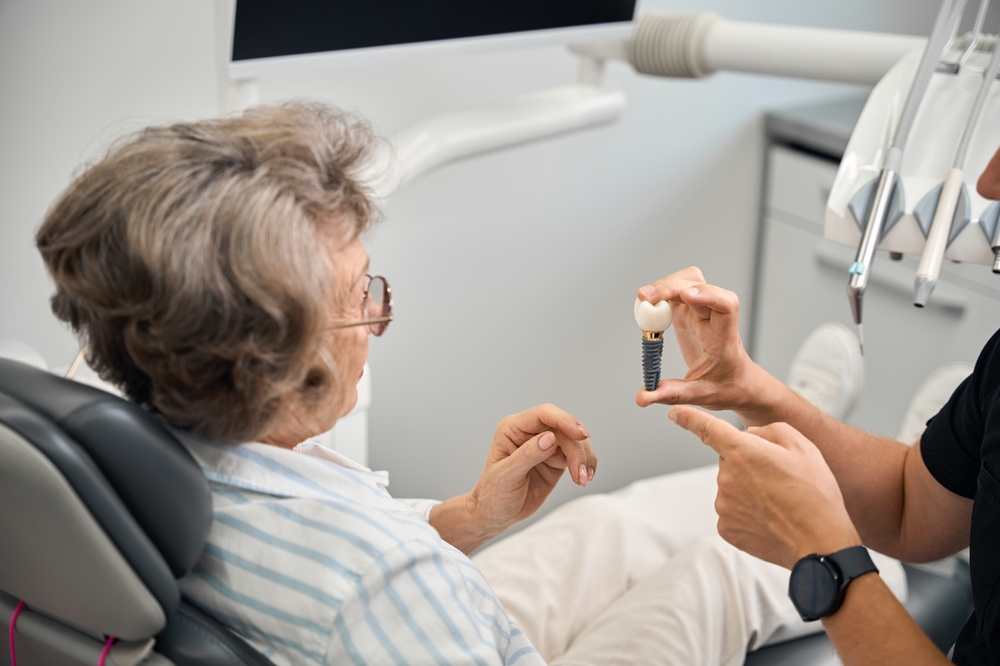
Dental implants are titanium posts surgically placed into the jawbone to replace missing tooth roots. Once integrated with the bone through a process called osseointegration, implants provide a stable foundation for crowns or other prosthetic teeth. Because implants mimic the function of natural teeth, they are effective at preserving jawbone density and preventing the shifting of adjacent teeth.
The process of receiving an implant generally requires several stages. Initially, a comprehensive evaluation is performed to determine bone health and overall suitability. Once the implant is placed, a healing period allows the bone to fuse with the implant. Finally, a custom crown is attached, creating a restoration that is both durable and aesthetically pleasing. Implants are often considered a long-term solution for missing teeth, with a high success rate when proper oral care is maintained.
How Dental Bridges Work
Dental bridges are prosthetic teeth anchored to adjacent natural teeth or implants to fill the gap created by missing teeth. Traditional bridges typically involve placing crowns on the teeth adjacent to the gap, with a false tooth suspended between them. Bridges restore the ability to chew and speak normally while improving the appearance of the smile.
Unlike implants, bridges do not require surgery, and the process is often quicker, making them an appealing option for some patients. However, because bridges rely on neighboring teeth for support, there is a greater emphasis on maintaining the health of those teeth to ensure the bridge remains effective. Regular dental care is essential, as improper maintenance can lead to decay or gum problems that compromise the bridge.
Comparing Implants and Bridges
When considering implants versus bridges, several factors come into play. Implants are known for their longevity and ability to maintain jawbone health, while bridges can provide a quicker, non-surgical option for tooth replacement. Cost, healing time, and oral health status also influence the decision. Some benefits of each include:
- Dental Implants: Preserve jawbone, prevent adjacent tooth shifting, long-lasting durability
- Dental Bridges: Non-surgical, quicker placement, effective for multiple missing teeth
Understanding these differences helps patients make choices that align with their oral health needs, lifestyle, and long-term goals. Both solutions can restore function and aesthetics, but the best choice depends on individual circumstances and priorities.
Conclusion
Choosing between dental implants and bridges requires careful consideration of oral health, functional needs, and lifestyle factors. Each option provides a reliable method for replacing missing teeth, with unique advantages that can support both appearance and oral function. For residents of Bethesda, MD, looking to learn more about these restorative options, Wyngate Dental of Bethesda offers valuable insights and guidance to help individuals make informed decisions for a healthy, confident smile.
Resources
McLaughlin, K. A., & Nolen-Hoeksema, S. (2011). Rumination as a Transdiagnostic Factor in Depression and Anxiety. Behavior Research and Therapy.
American Dental Association. (2021). Tooth Replacement Options: Implants and Bridges. Journal of Dentistry.
Pjetursson, B. E., et al. (2012). A Systematic Review of the Survival and Complication Rates of Dental Implants. Clinical Oral Implants Research.