
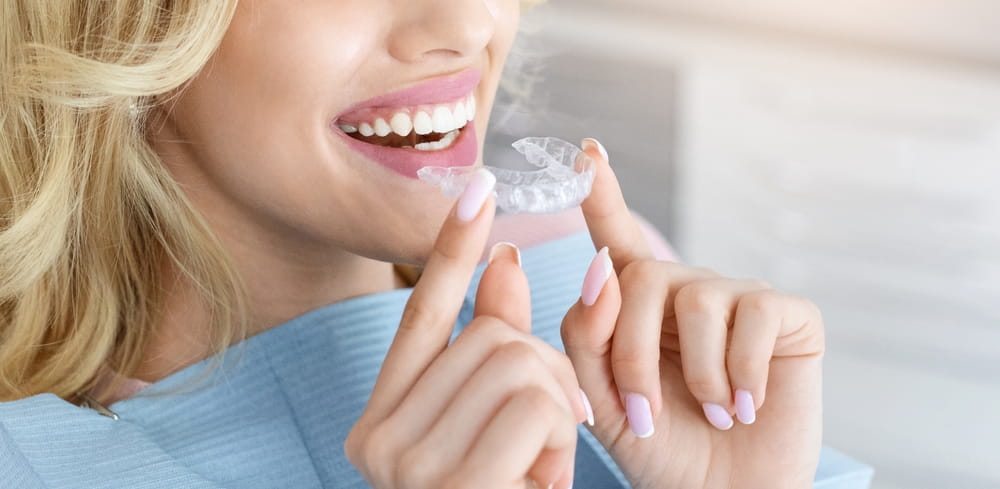
Many people think of Invisalign primarily as a cosmetic treatment designed to straighten teeth. While improving smile appearance is certainly one of its benefits, properly aligned teeth also play an important role in overall oral function and comfort. At Wyngate Dental of Bethesda, patient education often focuses on the relationship between bite alignment and long-term oral health because even minor bite irregularities can contribute to discomfort over time.
When teeth do not fit together properly, excessive pressure may be placed on certain teeth, jaw joints, and facial muscles. This imbalance can lead to symptoms such as jaw soreness, headaches, uneven tooth wear, and difficulty chewing comfortably. Orthodontic treatment, including Invisalign®, can help address many of these issues by gradually moving teeth into more favorable positions and creating a healthier bite relationship.
Understanding How Bite Problems Affect Oral Health
The term “bite” refers to how the upper and lower teeth come together when the mouth closes. Ideally, teeth should fit together in a way that distributes chewing forces evenly throughout the mouth. However, many people experience bite irregularities such as overbites, underbites, crossbites, open bites, or crowding.
When a bite is misaligned, the muscles responsible for chewing often work harder to compensate. Certain teeth may absorb more pressure than others, leading to excessive wear, fractures, or sensitivity. Over time, these imbalances can also affect the temporomandibular joints (TMJs), which connect the lower jaw to the skull.
Because bite issues often develop gradually, many individuals adapt to them without realizing that their symptoms may be related to alignment problems. Comprehensive dental evaluations can help identify whether an unhealthy bite is contributing to discomfort or other oral health concerns.
How Invisalign Works to Improve Alignment
Invisalign uses a series of custom-made clear aligners that gradually move teeth into their desired positions. Each set of aligners applies controlled pressure to specific teeth, encouraging predictable movement over time. Patients typically wear each aligner for a designated period before progressing to the next set in the series.
Unlike traditional braces, Invisalign aligners are removable and virtually invisible, making them a popular option for adults and older teens seeking orthodontic treatment. However, beyond aesthetics and convenience, Invisalign’s ability to improve bite alignment can provide meaningful functional benefits.
As teeth shift into better positions, the forces generated during chewing and biting become more evenly distributed. This improved balance can reduce unnecessary stress on both the teeth and supporting structures throughout the mouth.
The Relationship Between Invisalign and Jaw Comfort
Jaw discomfort is often influenced by multiple factors, including muscle tension, grinding habits, bite discrepancies, and joint dysfunction. While Invisalign is not a direct treatment for all temporomandibular joint disorders, correcting bite imbalances can help alleviate contributing factors in some cases.
Ways Invisalign May Support Jaw Comfort
- Improves bite alignment and tooth positioning
- Reduces uneven pressure during chewing
- Minimizes excessive strain on jaw muscles
- Helps distribute biting forces more evenly
- Reduces abnormal wear on teeth
- May lessen certain bite-related headaches
- Supports improved oral function
When teeth fit together more harmoniously, the muscles and joints involved in chewing may experience less stress during daily activities. Some patients notice improvements in jaw fatigue, muscle tension, or bite-related discomfort as their treatment progresses.
For individuals experiencing significant jaw pain or TMJ-related symptoms, additional evaluation may be recommended alongside orthodontic treatment. Services such as TMJ Treatment may be considered depending on the underlying cause of symptoms.
Additional Benefits Beyond Jaw Comfort
Improving bite alignment can positively impact many aspects of oral health. Teeth that are properly aligned are often easier to clean, reducing areas where plaque and bacteria accumulate. This may contribute to healthier gums and lower risks of decay and periodontal disease.
Correcting bite issues can also help protect existing dental work. Uneven pressure can place additional stress on restorations such as Crowns & Bridges, Tooth Colored Fillings, and Dental Implants. A balanced bite may help reduce excessive wear and improve the longevity of these restorations.
In addition, many patients experience increased confidence as their teeth become straighter and their smile appearance improves. The combination of functional and cosmetic benefits often makes orthodontic treatment a worthwhile investment in long-term oral health.
What to Expect During Invisalign Treatment
The Invisalign process begins with a comprehensive examination and treatment planning phase. Digital scans and imaging are used to evaluate tooth positioning and create a customized treatment plan tailored to the patient’s needs. These digital tools help map out tooth movements from the beginning of treatment to the desired final result.
Patients wear their aligners for most of the day, typically removing them only for eating, drinking, brushing, and flossing. Regular progress visits allow providers to monitor tooth movement and ensure treatment remains on track. The length of treatment varies depending on the complexity of the case, but many patients begin noticing improvements within the first several months.
Consistency is essential for successful outcomes. Wearing aligners as directed helps ensure predictable tooth movement and maximizes both functional and aesthetic improvements.
Achieving a Healthier Bite and More Comfortable Smile
A beautiful smile is only one part of what orthodontic treatment can accomplish. At Wyngate Dental of Bethesda, understanding the relationship between bite alignment and oral comfort helps patients appreciate the broader benefits of Invisalign treatment. By gradually correcting bite irregularities, Invisalign can help improve chewing function, reduce excessive strain on teeth and jaw structures, and support long-term oral health.
For individuals experiencing crowding, spacing issues, or bite-related discomfort, orthodontic evaluation may reveal opportunities to improve both comfort and smile appearance. Addressing alignment concerns early can contribute to healthier teeth, better function, and greater confidence for years to come.
Resources
Proffit, W. R., Fields, H. W., & Sarver, D. M. (2018). Contemporary Orthodontics. Elsevier.
Buschang, P. H., & Ross, M. (2021). Orthodontic Treatment and Functional Occlusion. Seminars in Orthodontics.
Alhammadi, M. S., Halboub, E., Fayed, M. S., Labib, A., & El-Saaidi, C. (2018). Global Distribution of Malocclusion Traits: A Systematic Review. Dental Press Journal of Orthodontics.